

In today's digital age, the security of our smart home setups has become a pressing concern. From potential risks to common vulnerabilities, understanding the importance of securing our smart devices is paramount. Let's delve into the world of smart home security and explore ways to ensure your setup is truly secure.
Importance of Smart Home Security
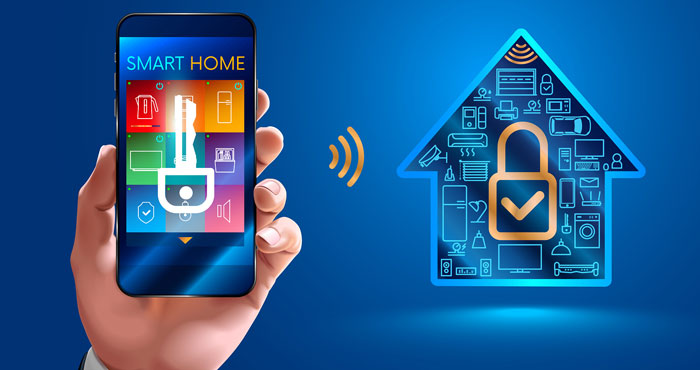
Securing a smart home setup is crucial in today's digital age where technology is integrated into every aspect of our lives. With the convenience and automation that smart devices offer, it's important to ensure that our homes are protected from potential security threats.
Unsecured smart home devices can leave your personal information vulnerable to hackers and cybercriminals. These devices are connected to the internet, making them susceptible to breaches if not properly secured. From smart TVs and cameras to thermostats and door locks, any device connected to your home network can be a potential entry point for malicious actors.
Risks Associated with Insecure Smart Home Devices
- Unauthorized access to personal data: Hackers can exploit vulnerabilities in smart home devices to access sensitive information such as credit card details, login credentials, and personal conversations.
- Physical security threats: Insecure smart locks or security cameras can be tampered with, allowing intruders to gain access to your home or monitor your activities.
- Privacy concerns: Smart devices constantly collect data about your habits and routines, which can be misused if intercepted by unauthorized parties.
Examples of Security Breaches in Smart Homes
- In 2017, the Mirai botnet attack infected hundreds of thousands of IoT devices, including smart home gadgets, to launch massive DDoS attacks.
- A vulnerability in Ring video doorbells in 2019 allowed hackers to access camera feeds and spy on unsuspecting homeowners.
- In 2020, a security flaw in Amazon's Alexa devices exposed users' voice recordings to unauthorized third parties, raising concerns about privacy breaches.
Common Vulnerabilities in Smart Home Systems
In the realm of smart home technology, there are several common vulnerabilities that homeowners need to be aware of in order to protect their privacy and security.
Default Passwords for Smart Devices
Using default passwords for smart devices is a major security risk that many homeowners overlook. Default passwords are often easy to guess or widely known, making it simple for hackers to gain access to your smart home system.
- It is essential to change default passwords on all smart devices as soon as they are installed to prevent unauthorized access.
- Creating strong, unique passwords for each device can significantly enhance the security of your smart home setup.
- Regularly updating passwords and avoiding common phrases or personal information can further protect your devices from potential breaches.
Regular Firmware Updates
Another critical aspect of smart home security is the regular updating of device firmware. Outdated firmware can contain vulnerabilities that hackers can exploit to gain access to your smart home network.
- Manufacturers often release firmware updates to address security issues and improve the performance of smart devices.
- By regularly updating the firmware on your smart home devices, you can ensure that your system is protected against the latest threats.
- Setting up automatic updates for firmware can streamline the process and ensure that your devices are always up to date with the latest security patches.
Secure Practices for Smart Home Users
When it comes to securing your smart home devices, there are several best practices that you can follow to ensure the safety of your data and privacy.
Using Strong, Unique Passwords
One of the most important steps you can take to secure your smart home devices is to use strong, unique passwords for each device. Avoid using default passwords or simple, easily guessable passwords that could be compromised by hackers
- Choose passwords that are at least 12 characters long and include a mix of letters, numbers, and special characters.
- Consider using a password manager to generate and store complex passwords for each of your devices.
- Regularly update your passwords and avoid reusing the same password across multiple devices.
Securing the Wi-Fi Network
Securing your Wi-Fi network is crucial for protecting your smart home devices from unauthorized access and cyber attacks.
- Change the default network name (SSID) and password for your Wi-Fi router to prevent unauthorized access.
- Enable WPA3 encryption on your Wi-Fi network for enhanced security.
- Set up a guest network for visitors to use, separate from your main network that connects to your smart home devices.
- Regularly update your router's firmware to patch any security vulnerabilities and keep your network secure.
Multi-factor Authentication for Smart Home Security
Multi-factor authentication is a security process that requires more than one method of verification to allow access to a device or system. This extra layer of security helps prevent unauthorized access even if one factor (such as a password) is compromised.
Implementing Multi-factor Authentication for Smart Home Security
Setting up multi-factor authentication for your smart home devices can greatly enhance the security of your system. Here are the steps you can follow:
- Choose a reputable authentication app or service that supports multi-factor authentication.
- Log in to the app or service and follow the instructions to link your smart home devices for multi-factor authentication.
- Enable multi-factor authentication for each device individually, if possible, to add an extra layer of security.
- Choose different authentication methods such as biometric data, one-time codes, or security keys for each device to enhance security.
- Regularly review and update your authentication methods to ensure the highest level of security for your smart home setup.
Conclusive Thoughts
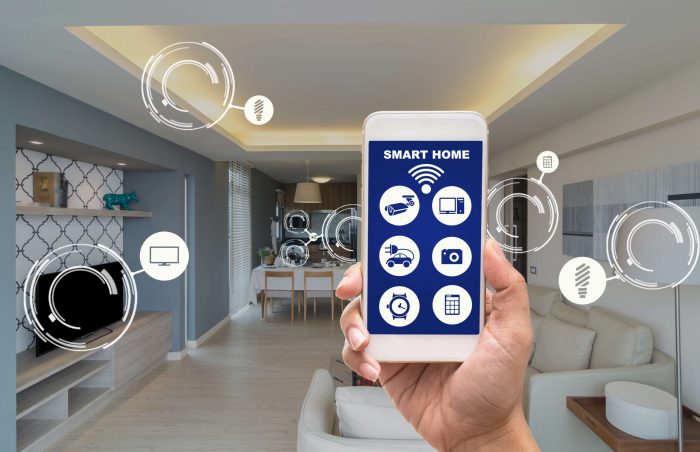
As we wrap up our discussion on smart home security, it's clear that taking proactive measures to secure your devices is crucial. By following best practices and staying informed about potential risks, you can enjoy the convenience of a smart home without compromising on safety.
Stay vigilant and keep your smart home setup truly secure.
Expert Answers
How important is securing a smart home setup?
Securing a smart home setup is crucial to protect your privacy, data, and overall safety from potential cyber threats.
What are the risks of using default passwords for smart devices?
Default passwords pose a significant security risk as they are often easily guessable by hackers, making your devices vulnerable to attacks.
Why is it important to regularly update smart home device firmware?
Updating firmware is essential as it patches security vulnerabilities and ensures that your devices have the latest security features to protect against threats.
What are some best practices for securing smart home devices?
Best practices include using strong, unique passwords, enabling two-factor authentication, and keeping devices and software up to date.
How does multi-factor authentication enhance smart home security?
Multi-factor authentication adds an extra layer of security by requiring additional verification steps beyond just a password, making it harder for unauthorized users to access your devices.