
As the cold weather sets in, homeowners in northern regions seek ways to improve their homes for optimal comfort and functionality. From architectural elements designed to withstand harsh climates to energy-efficient heating solutions, there are various trends that can elevate your home in cold climates.
Let's delve into the world of Northern Home Improvement Design Trends for Cold Climates.
Exploring the key elements and strategies to transform your home into a cozy winter retreat, this guide provides insights into the latest trends shaping homes in colder regions.
Design Elements for Cold Climates
When designing homes in cold climates, it is essential to consider architectural features and materials that can withstand harsh weather conditions and provide optimal insulation to keep the interior warm and comfortable. Incorporating elements that are both functional and aesthetically pleasing is key to creating a cozy and inviting space in colder regions.
Architectural Features for Cold Climates
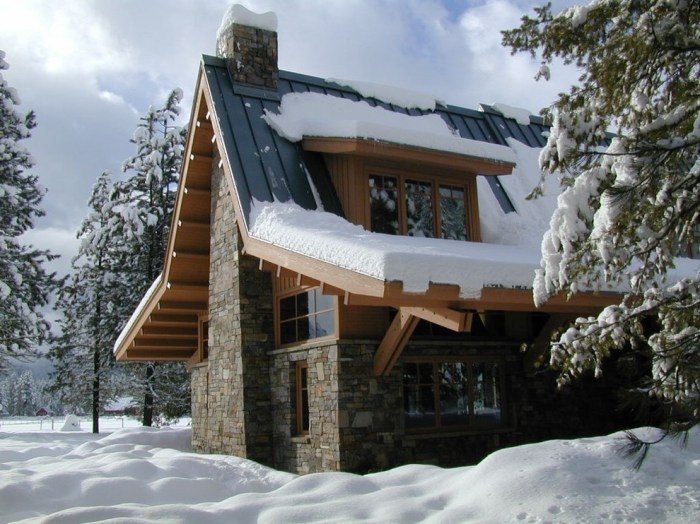
In cold climates, architectural features such as steeply pitched roofs, overhangs, and double-glazed windows are commonly used to prevent heat loss and protect the home from snow and ice buildup. These features help improve energy efficiency and maintain a comfortable indoor temperature during the cold winter months.
Importance of Insulation in Northern Home Design
Insulation plays a crucial role in northern home design as it helps regulate indoor temperatures, reduce energy costs, and improve overall comfort. Proper insulation in walls, roofs, and floors can significantly impact the energy efficiency of a home, making it easier to heat and cool while reducing the carbon footprint.
Use of Materials for Cold Climate Aesthetics
Materials like stone, brick, and wood are popular choices for cold climate aesthetics due to their durability, thermal properties, and visual appeal. Stone and brick provide excellent insulation and can withstand extreme weather conditions, while wood adds warmth and natural charm to the design.
Incorporating these materials into the exterior and interior of the home can enhance its architectural style and create a cozy atmosphere that complements the surrounding landscape.
Energy-Efficient Heating Solutions
When it comes to heating homes in cold climates, choosing the right heating system is crucial for energy efficiency and cost savings. Let's explore some popular options and discuss their benefits.
Radiant Floor Heating vs. Forced-Air Heating
One common debate in cold climate regions is between radiant floor heating and traditional forced-air heating systems. Radiant floor heating involves heating the floor directly, which then warms the room from the ground up. On the other hand, forced-air heating systems use ducts to distribute heated air throughout the house.
- Radiant floor heating is known for its energy efficiency as it eliminates heat loss through ducts that can occur in forced-air systems.
- Forced-air heating can be quicker to heat up a space but may result in uneven heating due to air movement.
- Both systems have their benefits and drawbacks, so it's essential to consider your specific needs and preferences when choosing between them.
Programmable Thermostats for Energy Optimization
Another key element in energy-efficient heating solutions is the use of programmable thermostats. These devices allow homeowners to set specific temperatures for different times of the day, optimizing energy use based on occupancy and preferences.
By programming your thermostat to lower the temperature when you are away or asleep, you can save on heating costs without sacrificing comfort.
- Programmable thermostats can also learn your habits and adjust the temperature settings automatically, maximizing energy savings.
- Some models even offer remote access via smartphone apps, allowing you to control your heating system from anywhere, ensuring optimal comfort and efficiency.
Winter-Friendly Landscaping
When it comes to landscaping in cold climates, there are several key considerations to keep in mind to enhance curb appeal and maintain outdoor spaces during the winter months.
Selecting Cold-Hardy Plants and Trees
In northern regions, it is crucial to choose plants and trees that can withstand harsh winter conditions. Opt for cold-hardy varieties such as evergreens, conifers, and shrubs like juniper, boxwood, and dwarf Alberta spruce. These plants will not only add texture and color to your landscape but will also provide year-round interest.
Snow Removal Strategies
Proper snow removal is essential for maintaining outdoor spaces in cold climates. Invest in quality snow removal tools such as snow blowers, shovels, and ice melt to keep pathways clear and prevent accidents. Regularly clearing snow from driveways, walkways, and patios will not only improve safety but also enhance the overall appearance of your home.
Interior Design Trends
When it comes to interior design trends for cold climate homes, there are certain elements that can enhance the coziness and comfort of the space. From color schemes to textures and fabrics, as well as the incorporation of heating elements, here are some key aspects to consider.
Popular Color Schemes
In cold climate homes, popular color schemes often revolve around warm and inviting tones. Rich shades of deep blues, forest greens, and earthy browns can create a cozy atmosphere. These colors can be complemented by accents of warm neutrals like creams, beiges, and soft greys to balance the overall look.
Textures and Fabrics
To add depth and warmth to the interior design of cold climate homes, textures and fabrics play a crucial role. Plush rugs, soft throws, and velvet upholstery can create a luxurious feel while also providing insulation. Mixing different textures like wool, faux fur, and knits can enhance the cozy ambiance of the space.
Heating Elements
Incorporating elements like fireplaces or heated flooring can not only add a practical heating solution but also contribute to the overall design aesthetic. A fireplace can be a focal point in the living room, creating a warm and inviting atmosphere.
Heated flooring, especially in bathrooms or bedrooms, can provide comfort during the colder months while seamlessly blending into the design of the space.
Summary
In conclusion, embracing the design trends tailored for cold climates can not only enhance the aesthetic appeal of your home but also contribute to energy efficiency and overall well-being during the winter months. By incorporating these innovative ideas, you can create a space that is both stylish and functional, ensuring a warm and inviting atmosphere for you and your family.
FAQ Guide
What are some examples of architectural features suitable for cold climates?
Architectural features like double-glazed windows, steep roof pitches, and insulated walls are ideal for cold climates.
Which heating system is more efficient for homes in cold climates: radiant floor heating or traditional forced-air heating?
Radiant floor heating is typically more energy-efficient and provides consistent warmth compared to traditional forced-air heating systems.
How can I enhance curb appeal in a cold climate through landscaping?
Using elements like evergreen trees, decorative lighting, and winter-friendly plants can enhance curb appeal in cold climates.
What are some popular color schemes for interiors in cold climate homes?
Neutral tones like grays, blues, and whites are popular choices for interiors in cold climate homes, creating a calming and serene ambiance.