

Exploring the choice between siding and stucco in terms of materials, installation, and maintenance can help you make an informed decision for your home. This article delves into the key differences and considerations to guide you towards the right exterior option.
Siding vs Stucco
When it comes to choosing the right exterior finish for your home, siding and stucco are two popular options to consider. Each has its own set of characteristics, benefits, and considerations that can influence your decision.
Materials and Installation
Siding is typically made from materials such as vinyl, wood, fiber cement, or metal. It is installed by attaching individual panels or pieces to the exterior of the house. On the other hand, stucco is a cement-based material that is applied in layers to create a seamless finish on the walls.
Various Types of Finishes
- Vinyl siding: Low maintenance and cost-effective option available in various colors and styles.
- Wood siding: Offers a natural and classic look but requires more maintenance to prevent rot and pests.
- Fiber cement siding: Durable and resistant to fire, moisture, and insects, mimicking the look of wood or stucco.
- Metal siding: Provides excellent durability and low maintenance, but can be prone to dents and scratches.
- Traditional stucco: Offers a smooth and seamless finish that is highly durable but requires skilled installation.
- Acrylic stucco: A more flexible and crack-resistant option compared to traditional stucco.
Durability and Maintenance
Siding materials like vinyl and fiber cement are known for their durability and resistance to elements like moisture and insects. However, they may require occasional cleaning or painting to maintain their appearance. Stucco, on the other hand, is highly durable and can last for decades with minimal maintenance.
Regular inspections for cracks and repairs may be needed to ensure its longevity.
Factors to Consider
When deciding between siding and stucco for your home's exterior, there are several factors to take into consideration. From climate considerations to cost implications and design flexibility, each plays a crucial role in determining the right choice for you.
Climate Considerations
One of the key factors to consider when choosing between siding and stucco is the climate in which you live. Siding, such as vinyl or fiber cement, is known for its ability to withstand various weather conditions, making it a popular choice in regions with extreme temperatures or high humidity.
On the other hand, stucco is a durable and weather-resistant option that performs well in hot, dry climates, making it a preferred choice for areas with intense sun exposure.
Cost Impact
The cost of installation and maintenance can significantly impact your decision between siding and stucco. While siding options like vinyl may have a lower upfront cost compared to stucco, they may require more frequent maintenance and replacements over time. On the other hand, stucco, although initially more expensive, is known for its longevity and minimal maintenance requirements, potentially saving you money in the long run.
Design Flexibility
When it comes to design flexibility, both siding and stucco offer a range of options to suit different architectural styles. Siding comes in various colors, textures, and styles, allowing for customization to match your home's aesthetic. Stucco, with its smooth or textured finish, provides a classic and elegant look that complements both modern and traditional designs.
Whether you prefer a contemporary or timeless appearance, both siding and stucco can be tailored to meet your design preferences.
Installation Process
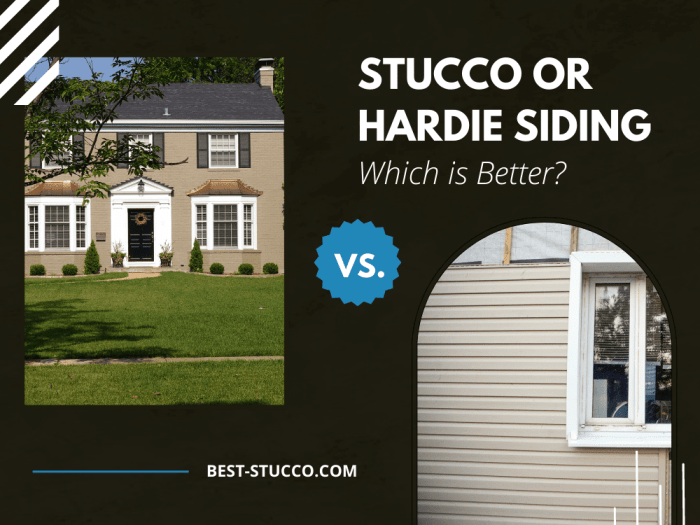
When it comes to choosing between siding and stucco for your home exterior, understanding the installation process is crucial. Let's delve into the steps involved in installing siding and applying stucco, as well as compare the time and labor required for each.
Siding Installation Process
Installing siding on a home exterior typically involves the following steps:
- Preparation of the exterior surface by ensuring it is clean, smooth, and free of any damage.
- Measurement and cutting of siding materials to fit the dimensions of the walls.
- Installation of an underlayment or moisture barrier to protect the structure from water damage.
- Attaching the siding panels to the walls using nails or screws at appropriate intervals.
- Sealing joints and corners to prevent water infiltration and ensure a tight fit.
- Adding finishing touches such as trim pieces for a polished look.
Stucco Application Process
Applying stucco to a building's exterior surface involves a different set of steps:
- Preparation of the surface by cleaning it thoroughly and repairing any cracks or damage.
- Applying a scratch coat of stucco, made of cement, sand, and water, to create a rough base for the finish coat.
- Adding a finish coat of stucco, which can be colored or textured according to preference.
- Allowing the stucco to cure and harden over several days, with periodic misting to prevent cracking.
- Applying a sealant or paint to protect the stucco and enhance its appearance.
Comparison of Time and Labor
When it comes to the time and labor required, siding installation is generally quicker and requires less specialized skill compared to stucco application. Siding can often be installed in a matter of days, depending on the size of the project and the complexity of the design.
On the other hand, applying stucco can take longer due to the curing time required between coats and the need for precision in the application process.
Maintenance and Repairs
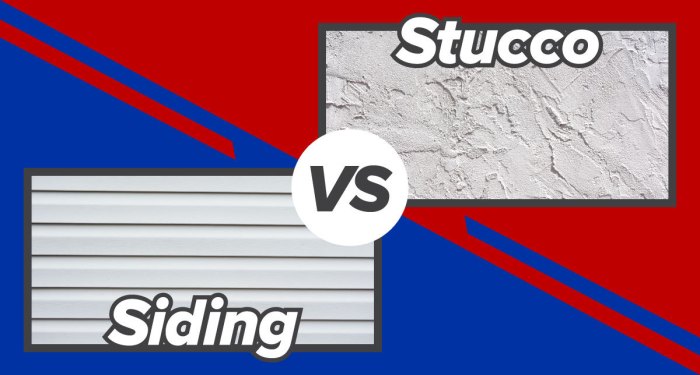
When it comes to maintaining your exterior, both siding and stucco require attention to ensure they stay in good condition over time. Let's delve into the maintenance routines and typical repairs needed for each.
Maintenance for Siding
One of the key advantages of siding is its relatively low maintenance requirements compared to stucco. Here are some maintenance routines to keep your siding in good condition:
- Regularly wash siding with a garden hose or pressure washer to remove dirt and grime.
- Inspect for any signs of damage, such as cracks or warping, and address them promptly.
- Repaint or reseal siding as needed to protect it from the elements.
- Trim any vegetation growing near the siding to prevent damage.
Repairs for Stucco
Stucco, on the other hand, requires more attention when it comes to repairs due to its susceptibility to cracking and moisture damage. Here are some typical repairs needed for stucco over time:
- Fixing hairline cracks with stucco patching compound.
- Repairing larger cracks or areas of damage with fresh stucco application.
- Addressing any water damage promptly to prevent further deterioration.
- Regularly inspecting the stucco for signs of wear and tear.
Ease of Maintenance Comparison
Overall, siding tends to be easier to maintain compared to stucco due to its more straightforward cleaning and repair processes. While both options can last for many years with proper care, siding may require less frequent maintenance and repairs, making it a convenient choice for homeowners looking for a low-maintenance exterior.
Ending Remarks
As we wrap up the discussion on Siding vs Stucco: Which Exterior is Right for You?, it becomes clear that both options have their own advantages. By understanding the nuances of each, you can confidently choose the exterior that best suits your needs and preferences.
Detailed FAQs
What are the key differences between siding and stucco?
Siding is typically made of materials like vinyl or fiber cement, offering a wide range of colors and styles. Stucco, on the other hand, is a cement-based finish applied in layers to create a durable exterior.
How do climate considerations impact the choice between siding and stucco?
Climate plays a role in the durability of siding and stucco. While siding may be more prone to damage in extreme weather conditions, stucco can withstand harsh elements better.
What maintenance routines are needed for siding and stucco?
Siding often requires periodic cleaning and inspections for damage. Stucco may need occasional repainting or patching to maintain its appearance and structural integrity.